Advanced Tips

Advanced Tips for Pixel Flow Burst

This guide collects advanced strategies for Pixel Flow Burst, drawn from careful observation of the game's mechanics and our editorial analysis. We separate confirmed facts from our own recommendations so you can make informed decisions about your play.

Lab Notes

Pixel Flow Burst is an independent informational website. We are not affiliated with the game developer or Google Play, and nothing on this page should be read as official guidance.

Lab Notes

How We Verify Advanced Tips

We distinguish between verified game mechanics and our editorial strategies. Verified facts come from direct observation of the game as listed on Google Play, while editorial tips are our own analysis and may not reflect the developer's intentions. We do not claim access to internal game data or developer communications.

  • Verified facts are marked with a lime Verified panel.
  • Editorial strategies are marked with a coral Lab Notes panel.
  • We avoid fabricated statistics and unverified claims.

Core Advanced Principles

Three foundational habits separate efficient advanced players from everyone else. Internalise these before moving on to specific techniques.

Principle 1

Flow Optimisation

Advanced play is about minimising unnecessary moves. Before each action, scan the board for the longest possible colour flow that can be completed without breaking other critical paths.

  • Look for chains of same-coloured tiles that can be connected in one continuous line.
  • Avoid creating isolated tiles that require extra moves to clear.
  • Prioritise flows that open up multiple future moves.
Principle 2

Board Awareness

Maintain a mental map of the board's colour distribution. Advanced players anticipate how each move shifts the remaining tiles and plan two or three moves ahead.

  • Count the frequency of each colour to predict future availability.
  • Identify bottleneck areas where colours are scarce.
  • Use the board edges to your advantage for longer flows.
Principle 3

Risk Management

Advanced strategies involve calculated risks. Sometimes sacrificing a short flow now can set up a much larger cascade later, but you must weigh the potential loss of moves.

  • Evaluate the opportunity cost of each move.
  • Keep a reserve of easy moves for difficult sections.
  • Avoid overcommitting to a single colour if it leaves the board unbalanced.
Strategy

Advanced Colour-Flow Techniques

Two specific techniques can dramatically improve your efficiency on complex boards. Both rely on careful observation and deliberate setup.

The Cascade Setup

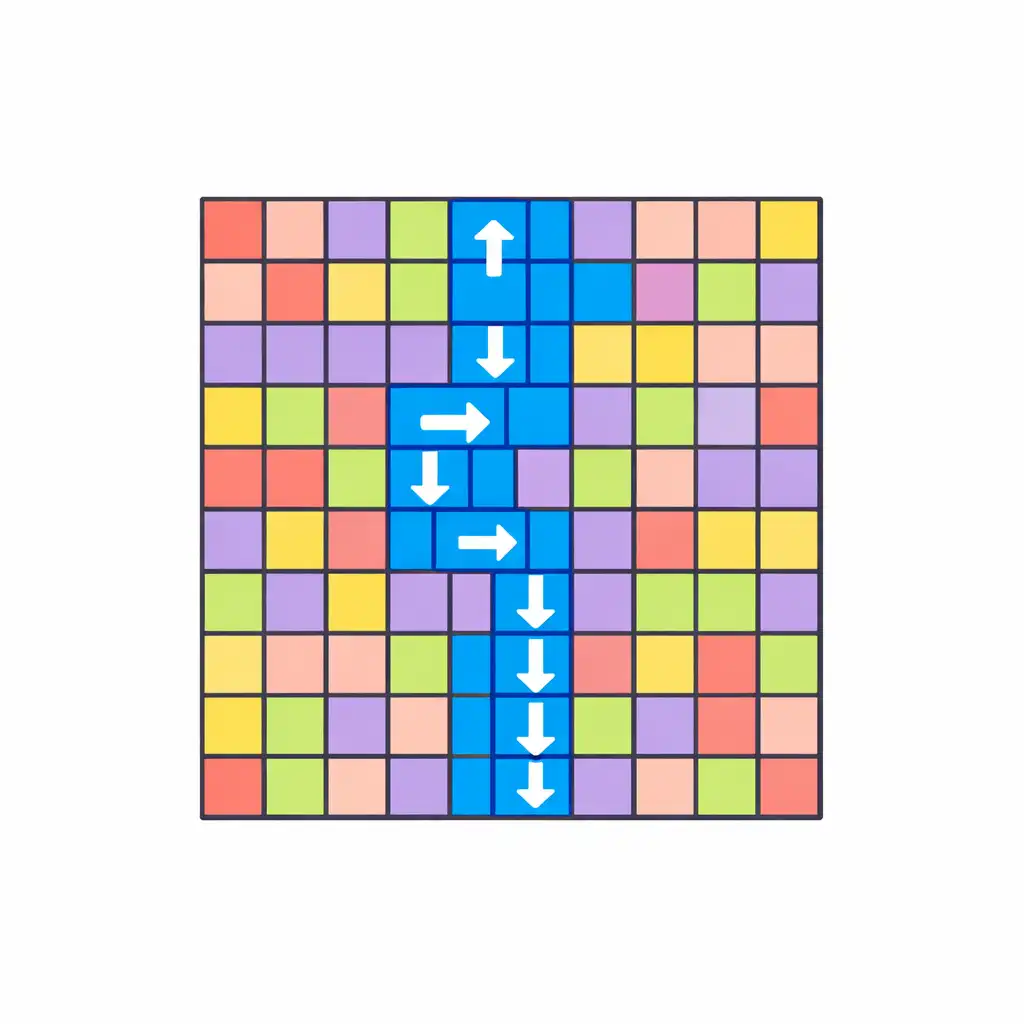
A cascade setup involves intentionally creating a short flow that, when completed, causes a chain reaction of adjacent colour matches. This technique is powerful but requires precise board reading.

  • Identify a cluster of tiles where one connection will trigger multiple subsequent connections.
  • Set up the initial flow so that the resulting board state aligns colours for a second and third flow.
  • Practice on simpler boards to recognise cascade patterns.
Abstract pixel diagram showing a cascade sequence where a central electric blue flow triggers adjacent colour matches
Cascade setup: one flow can unlock a chain of matches.

Edge Anchoring

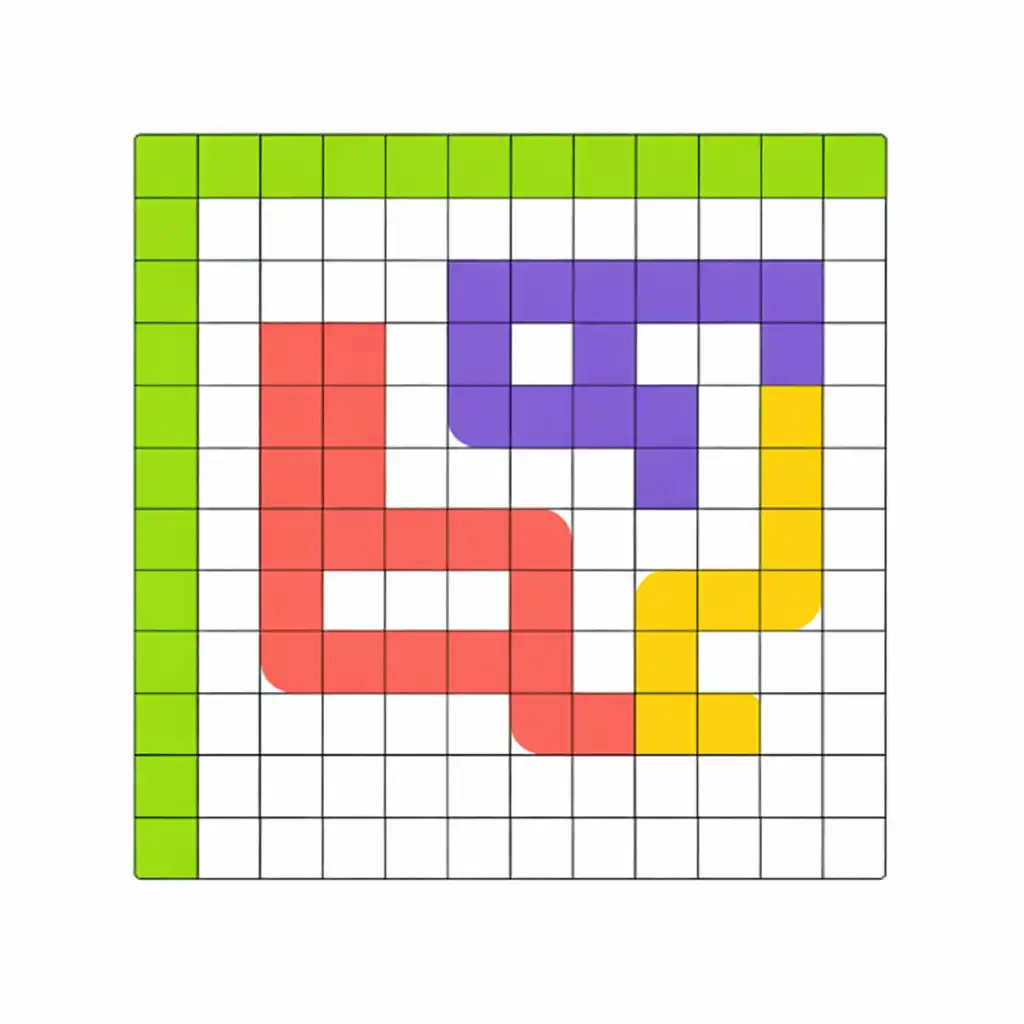
Using the board edges to anchor long flows can reduce the number of moves needed. Edges limit the directions a flow can take, making it easier to plan a continuous line.

  • Start flows from corners or edges when possible.
  • Use edge tiles as anchors to prevent colour breaks.
  • Be cautious of trapping colours against the edge without a clear path.
Abstract pixel diagram showing a lime green flow anchored along the left and top edges of a colour puzzle board
Edge anchoring: using board boundaries to stabilise long flows.

Move Optimisation Strategies

Reducing your move count is the clearest path to higher scores and more consistent level completion. Here is what we can confirm and what we recommend editorially.

Verified

Move Efficiency Basics

Based on observable gameplay, each move consumes a turn or reduces available moves. Therefore, minimising moves is essential for high scores or completing levels within limits.

  • Plan each move to clear the maximum number of tiles.
  • Avoid moves that only clear one or two tiles unless they set up a larger flow.
  • Use the undo or restart option if available to experiment with different approaches.
Lab Notes

The Two-Move Lookahead

Our editorial recommendation is to always evaluate the board state two moves ahead. This simple habit can significantly reduce wasted moves and improve overall efficiency.

  1. After each move, pause and mentally simulate the next two possible moves.
  2. Look for colour clusters that will become available after the current flow.
  3. Adjust your strategy if the lookahead reveals a dead end.

Advanced Board Reading

Expert players recognise recurring colour patterns and know which flows are most efficient. This skill comes from practice, but you can accelerate it by studying common board configurations.

Pattern Recognition

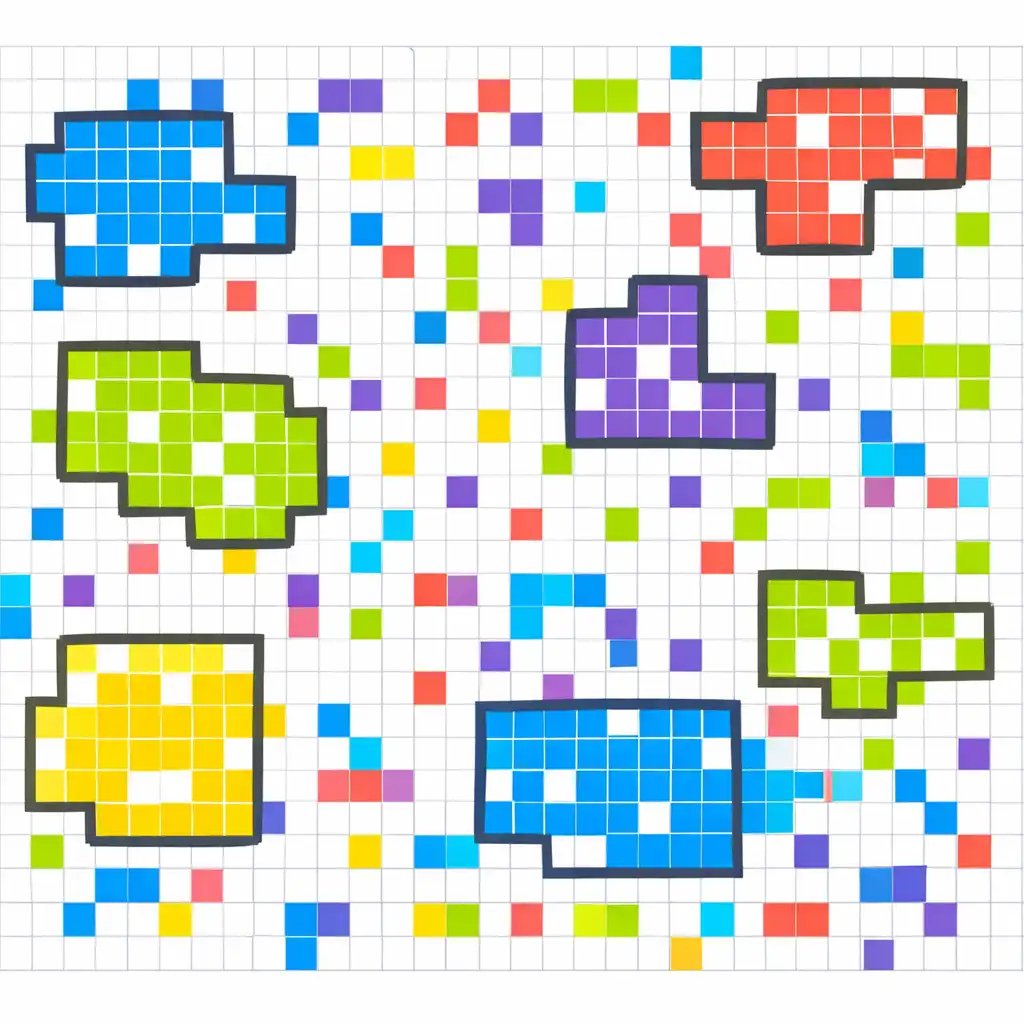
Look for symmetrical colour distributions that suggest a central flow. Identify islands of isolated colours that may require special handling. Use the board's colour balance to predict where new tiles might appear, if applicable. The diagram below highlights several cluster types that frequently appear in Pixel Flow Burst puzzles.

Abstract pixel diagram of a colour puzzle board with several clusters outlined in thick graphite borders to show recognised patterns
Common colour cluster patterns worth memorising.
Lab Notes

Common Advanced Mistakes

Even experienced players fall into these traps. Watch for them in your own play.

Overlooking Simple Flows

Advanced players sometimes overcomplicate the board and miss straightforward flows that could save moves. Always scan for the simplest connection first.

  • Simple flows often clear more tiles per move than complex ones.
  • Overthinking can lead to analysis paralysis and wasted time.
  • Balance complexity with efficiency.

Ignoring Colour Balance

Focusing too heavily on one colour can leave the board unbalanced and create difficult situations later. Maintain awareness of all colours.

  • Check the remaining colour distribution after each move.
  • Avoid clearing all of one colour too early if it might be needed for a later flow.
  • Keep a mental note of scarce colours.

Not Using the Undo Option

If the game offers an undo or restart feature, failing to use it for experimentation is a missed opportunity. Advanced players should test different moves without penalty.

  • Use undo to explore alternative flows.
  • Learn from failed attempts to improve future decisions.
  • Check if undo is limited; if so, use it strategically.
Strategy

Advanced Practice Drills

Structured practice is the fastest way to turn these concepts into automatic habits.

  1. Minimum Move Challenge

    Choose a level and attempt to complete it using the fewest moves possible. Record your move count and try to beat it on subsequent attempts. Focus on efficiency over speed, analyse each move after the level to identify wasted actions, and gradually increase difficulty as you improve.

  2. Pattern Replication

    Study a solved board or a successful flow pattern, then try to recreate it from memory on a new board. This builds pattern recognition. Use screenshots or diagrams of efficient flows, practice on similar board layouts, and gradually reduce reliance on visual aids.

  3. Time-Boxed Decision Making

    Set a timer for each move, for example ten seconds, to force quick board reading and decision making. This improves your ability to spot optimal flows under pressure. Start with a generous time limit and reduce it over time, focus on accuracy first, then speed, and use this drill only after mastering basic patterns.

Lab Notes

Cautionary Notes on Unverified Strategies

Some online sources claim that certain hidden mechanics or developer shortcuts exist. We have not been able to verify these claims and advise against relying on them.

  • Be wary of tips that promise guaranteed wins or infinite moves.
  • Do not trust strategies that require external tools or modifications.
  • Stick to observable mechanics and your own experimentation.

Next Steps and Further Resources

For more in-depth guidance, explore our puzzle strategy section or revisit the full game review. Remember that practice and observation are your best tools. If you have your own advanced tips to share, feel free to reach out through the contact page.