
Puzzle Strategy
Pixel Flow Burst is an independent informational website. The strategies on this page are our editorial analysis based on the game's verified mechanics. They are not official developer advice.
We have reviewed the game's Google Play listing and observed its core gameplay. Our advice is designed to help you think more effectively about each puzzle. We clearly separate confirmed facts from our own recommendations, so you always know which ideas are grounded in the game and which are our editorial judgement.
This page is entirely editorial. It does not claim to be official developer advice, and it does not invent mechanics that we could not verify from the public Google Play listing. Treat every recommendation as a starting point for your own experimentation.
Analyse the Board First
Scan the Entire Grid
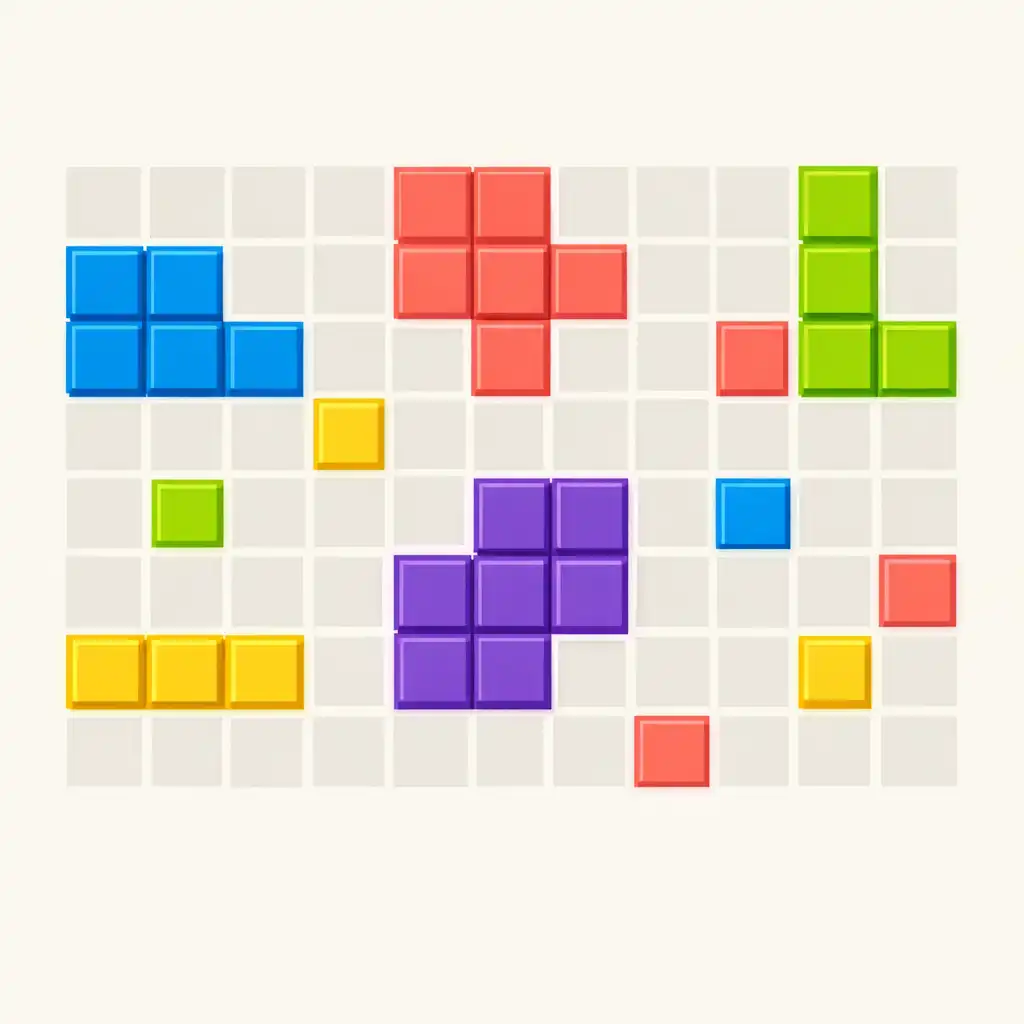
Before touching a single tile, take a few seconds to scan the entire board. Identify clusters of the same colour and note any obvious matches. This initial read helps you avoid wasting moves on low-impact actions.
- Look for large groups of adjacent same-coloured pixels.
- Notice isolated tiles that may be harder to clear.
- Consider the overall colour distribution.
Identify Immediate Threats
Some puzzles may have elements that require urgent attention, such as tiles that are difficult to reach or limited moves. Spot these early and prioritise moves that prevent a dead end.
- Check for any locked or blocked areas.
- Prioritise moves that prevent a dead end.
- Avoid wasting moves on low-impact actions.
We cannot confirm specific threat mechanics from the public listing. Treat this as a general habit: look for anything that could limit your options early.
Colour Relationships and Patterns
Recognise Repeating Patterns
Many puzzles feature recurring arrangements of colours. Learning to spot these can speed up your decision-making and help you anticipate future moves.
- Look for symmetrical or repeating colour sequences.
- Common patterns may indicate a preferred clearing order.
- Use pattern recognition to anticipate future moves.
Treat pattern recognition as a soft skill. The game is a colour-and-pixel puzzle, but the exact clearing rules are not fully confirmed. Use patterns as clues, not guarantees.
Use Colour Clusters
Grouping same-coloured pixels is often key. Focus on creating or expanding clusters rather than making isolated matches.
- Larger clusters may clear more efficiently.
- Avoid breaking up clusters unless necessary.
- Plan moves that bring same colours together.
Avoid Impulsive Moves
Pause Before Each Move
Impulsive moves often lead to dead ends. Train yourself to pause and consider the consequences of each action before you commit.
- Ask: What will this move achieve?
- Consider what options it opens or closes.
- If unsure, look for a safer alternative.
Avoid Tunnel Vision
Focusing on one area can blind you to better opportunities elsewhere. Regularly scan the whole board and be willing to change your plan.
- Every few moves, step back and reassess.
- Compare different regions of the puzzle.
- Be willing to change your plan.
Preserve Future Options
Keep Multiple Paths Open
Avoid moves that limit your future choices. Try to maintain flexibility in at least two areas of the board so you are never forced into a single narrow path.
- Don't commit to a single strategy too early.
- Leave some easy moves available for later.
- Balance clearing clusters with opening new possibilities.
Think of each move as a branching decision. A good move keeps at least one alternative route open for the next turn.
Think Two Moves Ahead
Before acting, consider what your next move might be. If a move leaves you with no good follow-up, reconsider.
- Visualise the board after your move.
- Identify at least one viable next step.
- If none, look for a different move.
Plan Several Actions Ahead
Build a Move Sequence
Try to plan a short sequence of 2-3 moves that work together towards a goal, such as clearing a large cluster or opening a blocked area.
- Start with the end goal in mind.
- Work backwards to determine the steps.
- Be ready to adapt if the board changes unexpectedly.
Use Mental Simulation
Mentally simulate the outcome of each planned move. This helps you spot potential problems before they occur.
- Picture the board after each step.
- Check for unintended consequences.
- Adjust your plan as needed.
Learn from Failed Attempts
Review Your Moves
After a failed attempt, take a moment to review what went wrong. Identify the move or series of moves that led to the dead end.
- Think about alternative moves you could have made.
- Look for patterns in your mistakes.
- Apply these lessons to future puzzles.
Experiment with Different Approaches
If a strategy isn't working, try something different. Sometimes a fresh perspective reveals new solutions.
- Don't be afraid to restart a puzzle.
- Test different opening moves.
- Observe how the board responds.
Prioritise Simplifying Moves
Clear Large Clusters First
Removing large groups of same-coloured pixels often simplifies the board and creates new opportunities.
- Large clusters free up space.
- They may reveal hidden matches.
- Clearing them early can prevent bottlenecks.
Reduce Colour Variety
If possible, focus on eliminating one colour at a time. Reducing the number of colours on the board makes planning easier.
- Fewer colours mean simpler decisions.
- Try to clear all tiles of one colour before moving to the next.
- This can create cascading effects.
Final Strategy Checklist
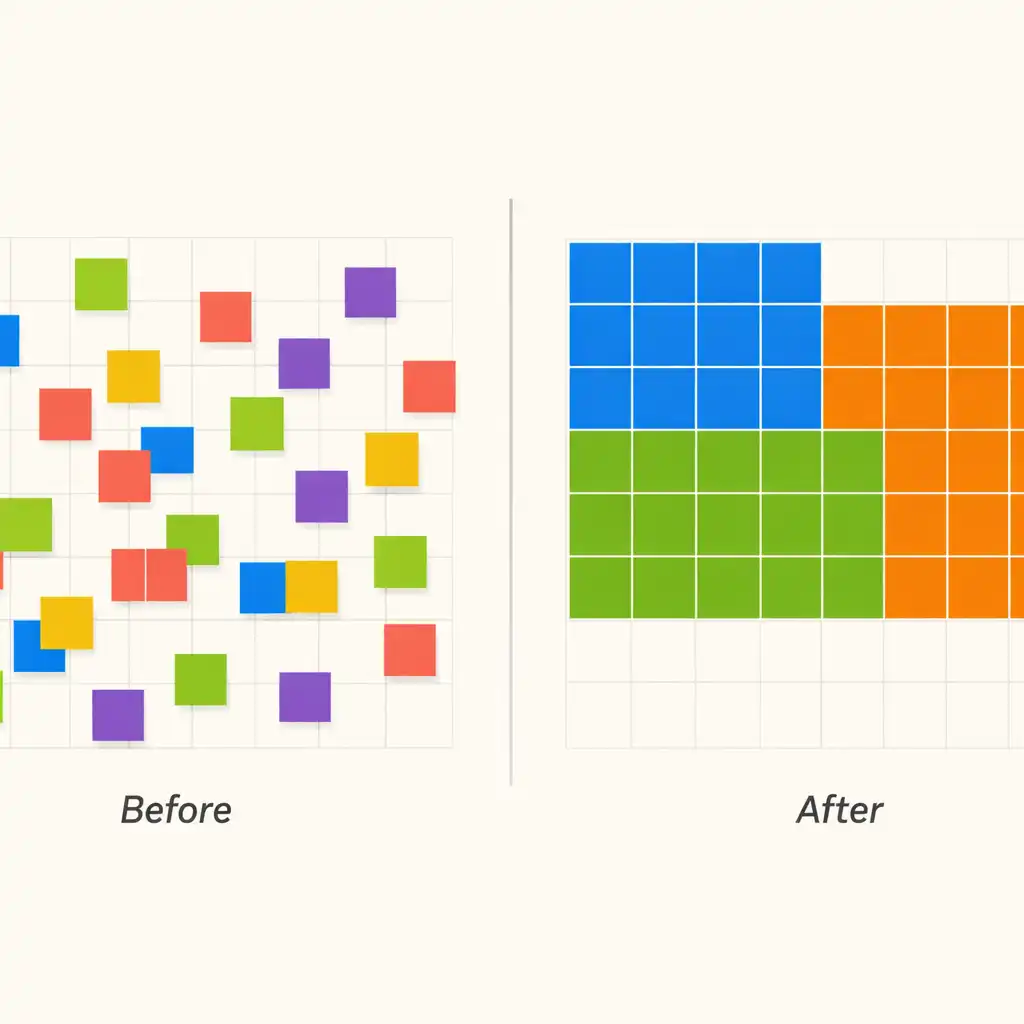
Keep these core principles in mind: analyse first, look for patterns, avoid impulsive moves, preserve options, plan ahead, learn from failures, and simplify when possible.
- Scan the board before acting.
- Recognise colour patterns and clusters.
- Pause before each move.
- Keep future options open.
- Plan sequences of moves.
- Review mistakes and adapt.
- Prioritise moves that reduce complexity.
This checklist is an editorial summary, not an official endorsement or a guaranteed winning formula.